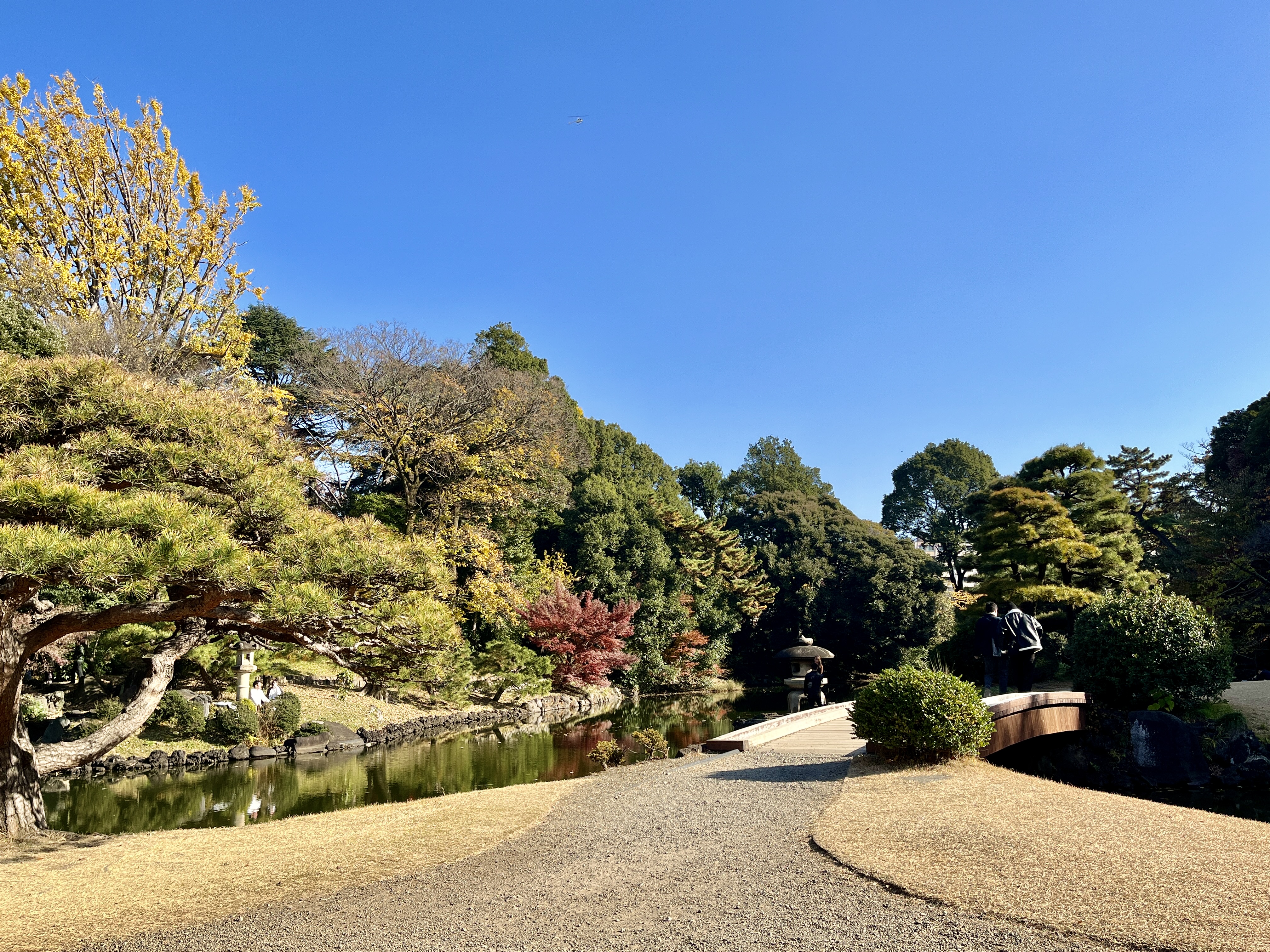
Tokyo needs no introduction. It is a supercharged city; one of the top five destinations in the world. Feed off its energy by people watching at Shibuya crossing, store hopping at Ginza’s shopping mecca, or being dazzled by the bright neon lights of Kabukicho. When your eyes and feet start to get tired, pockets of tranquility and refreshments await you in the many imperial gardens and small yokochos that still dot the city.
Most visitors think of Tokyo as an urban jungle with a uniform identity, but this metropolis of 14 million – the most populous in the world – offers the casual visitor so much more than that. Tokyo is actually made up of around 12 to 14 districts, each with its own identity, story and vibe. In this post, I hope to share the highlights of each district, so that you leave with a plethora of experiences and memories. Let Tokyo tantalise you with its tales.
Part I: Shinjuku, Shibuya, Harajuku: 9 – 11 Dec
Part II: Ginza, Ueno, Asakusa, Odaiba: 16 – 20 Dec
Itinerary
Our trip to Japan spanned 10 full days that was split amongst the following cities:
- Tokyo (Shinjuku, Shibuya and Harajuku) – 2 days
- Yokohama – 2 days
- Hakone – 3 days
- Tokyo (Ginza, Chiyoda, Ueno, Odaiba) – 3 days
On the whole, the pace was rather quick as there was a lot of ground to cover, especially during the first leg of Tokyo and Yokohama. In retrospect, two full weeks would have made the visit even more relaxing and enjoyable.
This post covers the following districts which will be continually built upon in my subsequent trips:
- Shinjuku
- Shibuya
- Harajuku
- Ginza (coming in 2026)
- Chiyoda (coming in 2026)
- Ueno (coming in 2025)
- Odaiba (coming in 2025)
Click on the relevant posts to start reading about the district!
Getting into Tokyo
For international tourists, the two most convenient gateways are Haneda or Narita, with the former offering shorter and multiple transportation links to key destinations in the city. On our arrival, we tried taking the Airport Limousine Bus from Haneda Terminal 3 to Shinjuku Station. This option is much longer and more expensive than the Tokyo Monorail, but far more convenient and comfortable as you are guaranteed a seat and your luggage gets stored in the compartment below. There are other alternatives such as taking a taxi or a local bus, but we won’t cover these here because they are either too expensive or too slow.
Airport Limousine Bus
From the arrival halls, follow signs for “Bus” and take the lift to the first floor. Airport Limousine Buses also run services outside of the 23 wards of Tokyo, such as to Saitama and Gunma, and therefore there are multiple berths spanning the length of the building. Buses (watch for the destination board) to Shinjuku Area Hotels arrive every 20 – 30 minutes at berth 3 and a one-way adult ticket costs ¥1,400.

Most buses come with wifi, USB charging points, and toilets. Check the website (https://webservice.limousinebus.co.jp/web/en/) for the list of services on the particular bus. It is recommended to book tickets online (on the same site) so that you are guaranteed a seat, especially if there are crowds. Tickets are available at the airport, too. However, booking online allows you to change the timing of your booking up to 5 minutes before your allocated slot, making it very handy for early or delayed flights, which is what we experienced when we cleared immigration a full 1 hour before our bus was scheduled to depart.

Although the bus takes about an hour to reach the city, this is because it stops at Terminal 1 and 2 to pick up other passengers before going onto the highway to the selected drop-off points around Shinjuku, which only takes around 20 minutes. We alighted at the Shinjuku Expressway Bus Terminal, located inside Shinjuku Station, and a convenient stop for connections to other areas around Tokyo.
Tokyo Monorail
This 17.8km elevated rail link has 11 stations and, although it looks relatively new, was opened in 1963 in time for the Tokyo Olympics. It handily connects the various airport terminals to Hamamatsucho Station, which is located near the centre of Tokyo and allows for easy transfer to other JR East services such as the Yamanote Line. It offers train services from as early as 5am to 1145pm on weekdays and weekends, and there is a rapid express straight to Haneda every 10 minutes or so from 10am – 5pm on weekdays, with extended hours on weekends. For more information, refer to their website at https://www.tokyo-monorail.co.jp/english/.
For the route to Tokyo, from the International Terminal 3 arrival lobby, look for signs to “Monorail” and it should bring you to a bank of ticket machines where you can get your ticket (or purchase the Suica Card if you intend to continue taking public transport in Tokyo). After slotting your ticket into the gantry, take the escalator up to the third floor for the correct platform bound for Hamamatsucho. Travel time from Haneda Terminal 3 to Hamamatsucho takes around 15 minutes and costs ¥500, but time passes much faster thanks to the spectacular views of Tokyo Bay as the tracks hug the coastline.

Escalators and lifts at Hamamatsucho allow luggages to be moved around easily, but the JR East trains can be notoriously packed during peak hours. It is much cheaper and faster than taking the Airport Limousine Bus, but it may be crowded during certain times and you may be left standing with your luggage. When arriving back at Haneda Terminal 3, the monorail conveniently drops you at the platform that leads straight into the departure lobby.

